
ANM's Nido Montessori Program
Nido Program
From 2 months until walkingA peaceful beginning for your baby’s journey towards independence, designed for children from about two months until they are walking independently.

What is a Montessori Nido?
Nido means “nest” in Italian.
In Montessori education, a Nido is a carefully prepared environment for infants who are not yet walking independently. It is not simply a place where babies are cared for while their parents work. It is an environment intentionally designed around the developmental needs of the infant.
Age ranges
Nido environments typically serve children from about two to fourteen months who are not yet walking independently. Infant Communities generally serve children from around fourteen months to three years.
Transitions
The timing is guided by each child’s development rather than by age alone. A child moves from our Nido to our Toddler Community when they are developmentally ready, not simply because they have reached a particular age.
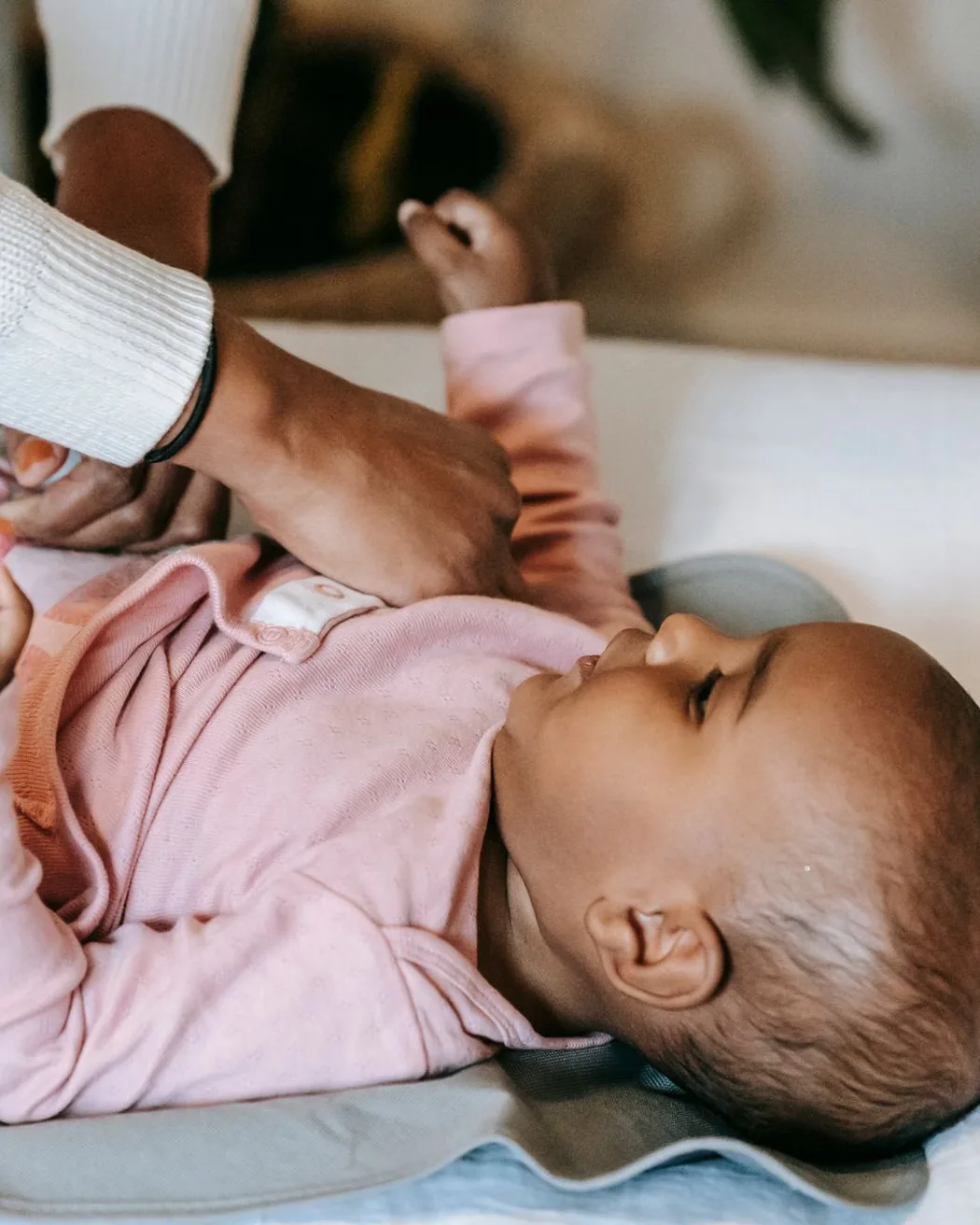
Nido is more than childcare
A regular creche may organise its day mainly around supervision, feeding, sleep and keeping babies safe while parents are away. These are important needs. A Montessori Nido includes them, and goes further by intentionally preparing the environment, the adult and the daily rhythm to support development.
The Montessori approach recognises that infants are active participants in their own development. They need opportunities to move, explore, communicate, build relationships, practise emerging skills and gradually take part in their own care.
The prepared adult and the prepared environment are central to Montessori education.
The tiny child’s absorbent mind finds all its nutriment in its surroundings. Here it has to locate itself, and build itself up from what it takes in. Especially at the beginning of life must we, therefore, make the environment as interesting and attractive as we can.
Maria Montessori
What makes an Aquila Nidus Nido different?
A prepared environment
The space is intentionally organised around the infant’s developmental needs. Furniture, materials, movement areas, rest spaces and routines are designed to let babies explore safely and with increasing independence.
Freedom of movement
Instead of keeping infants in containers, we give them room for purposeful movement: reaching, rolling, crawling, pulling up and eventually walking, without rushing the child.
Respectful care
Feeding, changing, dressing and settling for sleep are treated as moments for relationship, communication and participation, not tasks to finish as quickly as possible.
Individualised observation
Adults observe each child closely to understand their interests, abilities and needs, then adjust the environment and their own responses accordingly.
Language-rich interaction
Babies hear clear, respectful language all day. Adults speak to the child, name what is happening, listen and respond, sing, read and create moments for real communication.
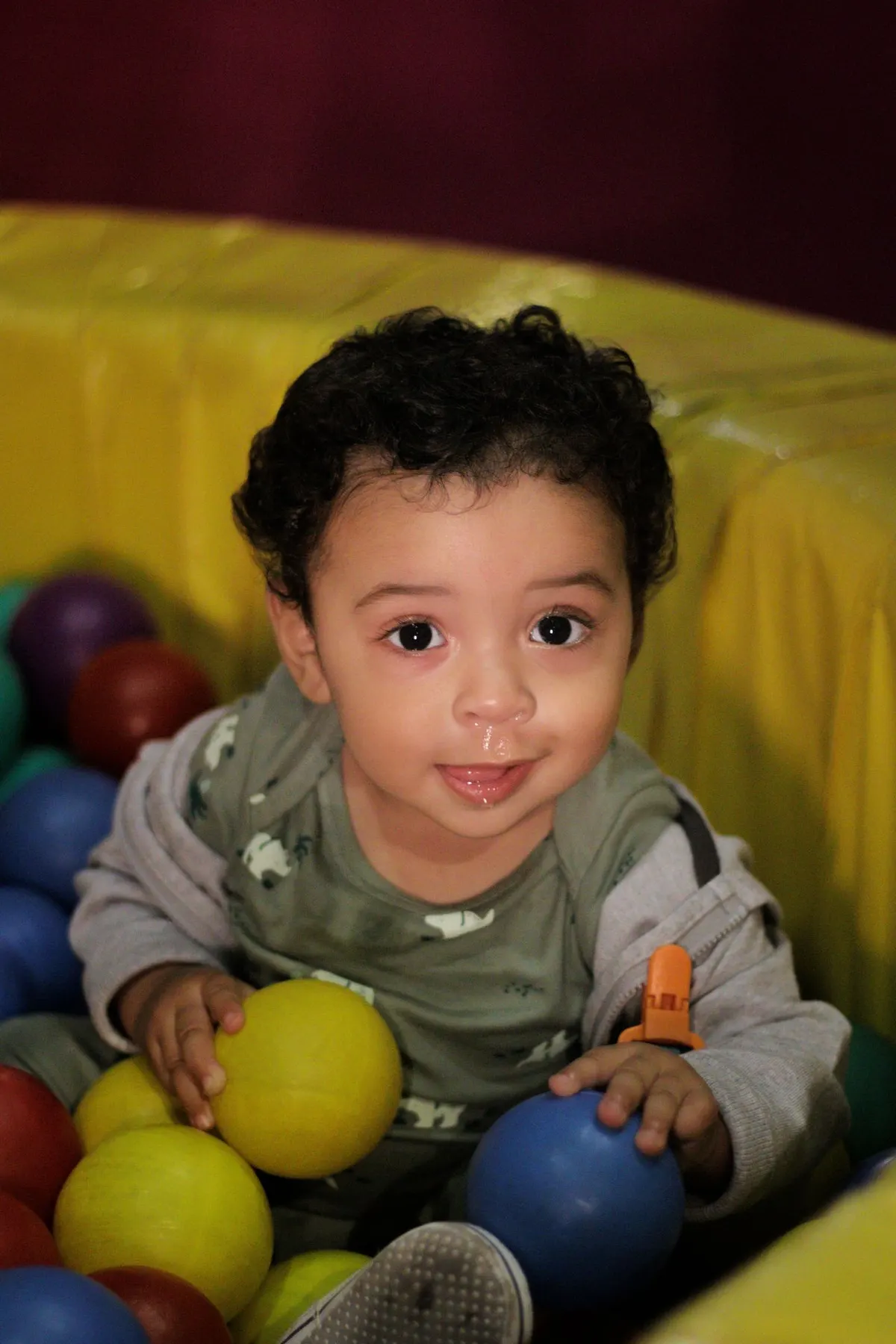
A calm, predictable rhythm
Infants benefit from consistency. A peaceful, orderly environment and predictable routines help children develop a sense of security and belonging. Montessori 0-3 practice places particular importance on rhythm, relationship and trust.
Growing independence
Even babies can participate. A child may reach for an object, hold a spoon, help during dressing, choose between activities or begin to care for their surroundings. These small experiences build the foundations of confidence and competence.
Nido vs. a regular creche: what is the difference?
A creche can be a valuable childcare option, and quality varies considerably from one setting to another. The comparison below is about the Montessori model, not a judgement on every conventional creche.
| Area | Typical childcare focus | Montessori Nido focus |
|---|---|---|
| Primary purpose | Typical childcareCare, supervision, feeding, sleep and safety | Montessori NidoCare, plus intentional support for the whole developmental needs of the infant |
| Environment | Typical childcareDesigned primarily for safe care | Montessori NidoPrepared for safe care and specifically for infant movement, exploration, rest, relationships and emerging independence |
| Adult role | Typical childcareCaregiver who meets the child’s needs | Montessori NidoPrepared adult who observes, responds, models and carefully facilitates development |
| Movement | Typical childcareMay be managed through equipment or adult direction | Montessori NidoFreedom to move and explore safely is deliberately protected |
| Daily routines | Typical childcareOften organised around the service’s timetable | Montessori NidoPredictable rhythm, while respecting individual needs and developmental readiness |
| Learning | Typical childcareOften incidental through play and routine | Montessori NidoDevelopment is supported through purposeful experiences, movement, language and participation |
| Independence | Typical childcareUsually develops naturally as the child grows | Montessori NidoIntentionally supported from infancy in age-appropriate ways |
| Transition | Typical childcareOften based mainly on age or the school calendar | Montessori NidoDevelopmental readiness is an important consideration |
The benefits for your baby

A strong sense of security
Warm, consistent relationships and predictable routines help babies experience the environment as safe, familiar and trustworthy.
Confidence through movement
Your baby discovers what their body can do at their own pace, supporting coordination, balance and confidence.
Early foundations for independence
Your baby begins to experience “I can do it” through small, developmentally appropriate chances to participate.
Rich language development
Frequent one-to-one interaction, naming, conversation, books and songs create a language-rich environment.
Concentration and curiosity
Rather than constant entertainment, your child is offered purposeful opportunities to observe, explore, repeat and discover.
Respectful social development
Babies experience adults who model calm, respectful interactions, and gradually learn to take part in a small community.
Continuity into toddlerhood
A well-established Nido experience gives a gentle foundation for your child’s next Montessori environment, with the move guided by development.
What your baby experiences at Aquila Nidus
Our Nido is designed to feel peaceful, beautiful, safe and homelike. Your baby’s day includes movement, exploration, communication, social connection, outdoor experiences where appropriate, meals, rest and respectful care.
We do not expect babies to perform or reach milestones on an adult timetable. We observe, prepare and support. Our goal is not to make babies independent before they are ready, but to give them the right conditions to gradually become capable and confident.
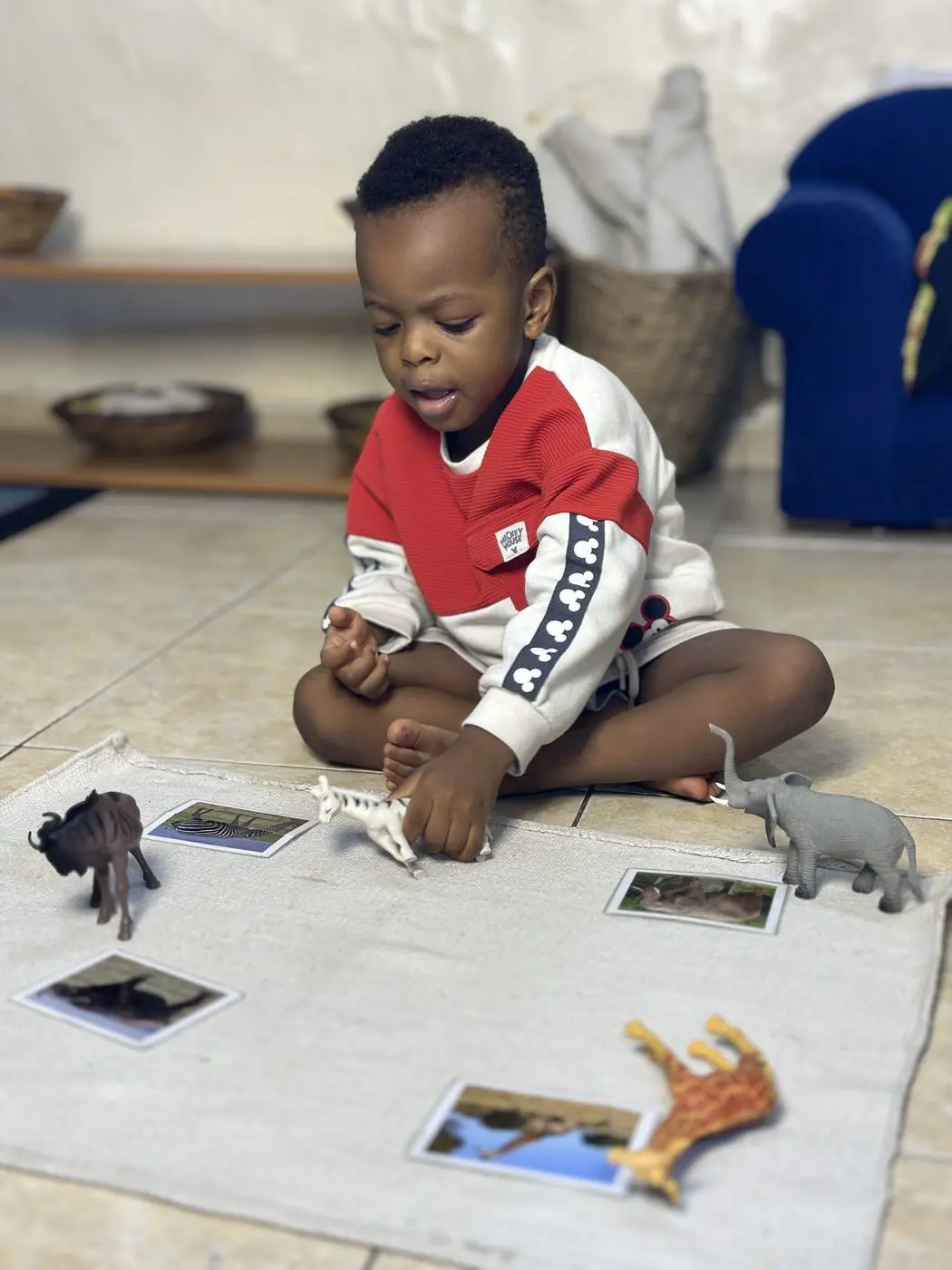

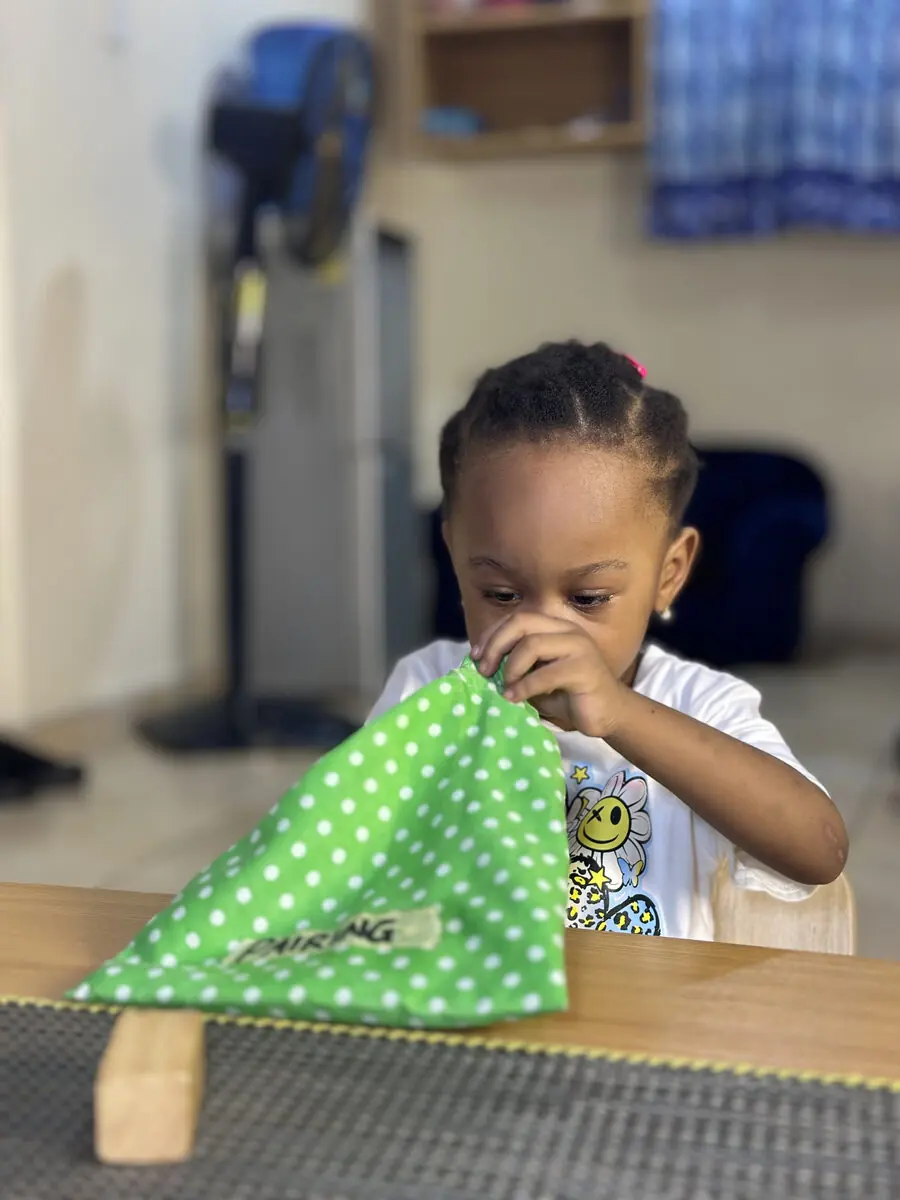
For parents: what you can expect from us
- Regular communication about your child’s routines, wellbeing and development.
- Respect for your child as a capable human being from the very beginning.
- Adults who observe carefully rather than assuming every child develops in exactly the same way.
- An environment prepared specifically for the developmental stage of infants.
- Partnership with you around feeding, sleep, routines, comfort and your child’s individual needs.
- Guidance that helps you support your child’s development at home as well as at school.
Questions to ask when choosing an infant programme
- Is the environment genuinely prepared for infants, or is it mainly a general childcare space?
- How are adults trained in infant development and Montessori practice?
- How does the setting support freedom of movement?
- How are feeding, sleep and changing handled respectfully?
- How does the school observe and document individual development?
- How are transitions between infant and toddler environments decided?
- How does the school communicate and partner with parents?
- Does the environment feel calm, orderly, safe and welcoming when you visit?
Meet our Nido educators
The guides who care for your child through their first eighteen months.

Salem Olympio Jesutomi
0-3 Lead Guide

Damaris Chimelu
Nido Assistant

Omekwu Gloria
Nido Assistant
A beautiful beginning matters
The first years are a time of extraordinary development. A Montessori Nido does not try to hurry childhood. It creates the conditions in which a baby can feel secure, move freely, explore with curiosity, communicate, form relationships and gradually discover their own capabilities.
At Aquila Nidus, we believe that education begins with how we care for the child.
Visit our prepared environment
Tours run on Tuesdays and Thursdays in small, unhurried sessions so your questions get real answers.
Or speak with admissions directly on +234 708 186 4078
What parents say about Aquila Nidus Montessori
“Since joining Aquila Nidus Montessori School in May 2026, our daughter has shown remarkable improvements in her speech, manners, and participation in daily activities. We are especially grateful for her teacher’s attentiveness and the early professional support that has contributed to her progress.
We love how the school nurtures each child’s individual learning needs while upholding Christian values. We wholeheartedly recommend Aquila Nidus to parents seeking a strong foundation for their children.”
Ayooluwa Samuel-Adeoye
“Since joining Aquila Nidus Montessori School, our daughter has adjusted wonderfully to her new environment. She no longer cries at drop-off, is now fully potty trained, and has made noticeable progress in her speech and confidence.
We are happy to see her growing, becoming more independent, and settling in so well.”
Bewaji Odetoyin
Toddler Parent
“I’m a Montessori director myself, so I understand and appreciate authentic Montessori when I see one. That’s the confidence I had putting her here. She has grown way beyond what her average age would know, in a very safe and child-friendly environment. I’m not afraid of her future, because I know she has a very good foundation.”
Oluwaseun
Tomisin’s mom
“Aquila does the proper Montessori. That’s why we love it. They use the actual materials, they follow the actual curriculum. It’s not blended or traditional in any way, it’s purely Montessori. And my kids love to come here. They’re always happy to come to school.”
Ibukun
Ire and Desire’s mom
“I’ve recommended Aquila to so many parents who eventually enrolled their children. My son finished here and Janelle too, and it has impacted their lives creatively, intellectually, socially, mentally, in so many ways. I’ve watched Janelle grow and there’s been a big difference, academically and otherwise. I would recommend this school one hundred percent to any parent looking for a real Montessori school.”
Mrs Onyenwe
Janelle’s mom
“I had gone around looking at schools for my kids, but when I got to Aquila Nidus I was amazed at the level of discipline I found. They are intentional about the children. Teiora started at the crèche and I was impressed right from there, at the way they took care of the children. Today she is graduating. I’m thankful to the school, and I pray my son who is still here goes through the same journey.”
Mrs Uzomba
Teiora’s mother
“It has been a wonderful journey since Bukunmi joined Aquila Nidus. He loves his friends, he has improved in his studies, and he has become more confident than before. As a parent I have really enjoyed our experience here, and I’m grateful to have come across the school.”
Sunsola
Bukunmi’s mother
“What I will remember most is the warmth. Aquila is a small community, but it’s home. All the children are our children. There’s a true spirit of community among the children and even among the parents. We see ourselves as one big family.”
Mrs Olaniyi
Tofunmi’s mother