
ANM’s Toddler Montessori Program
Toddler Program
Ages 14/18 months to 3 yearsHelping young children move from dependence towards confident participation in life.
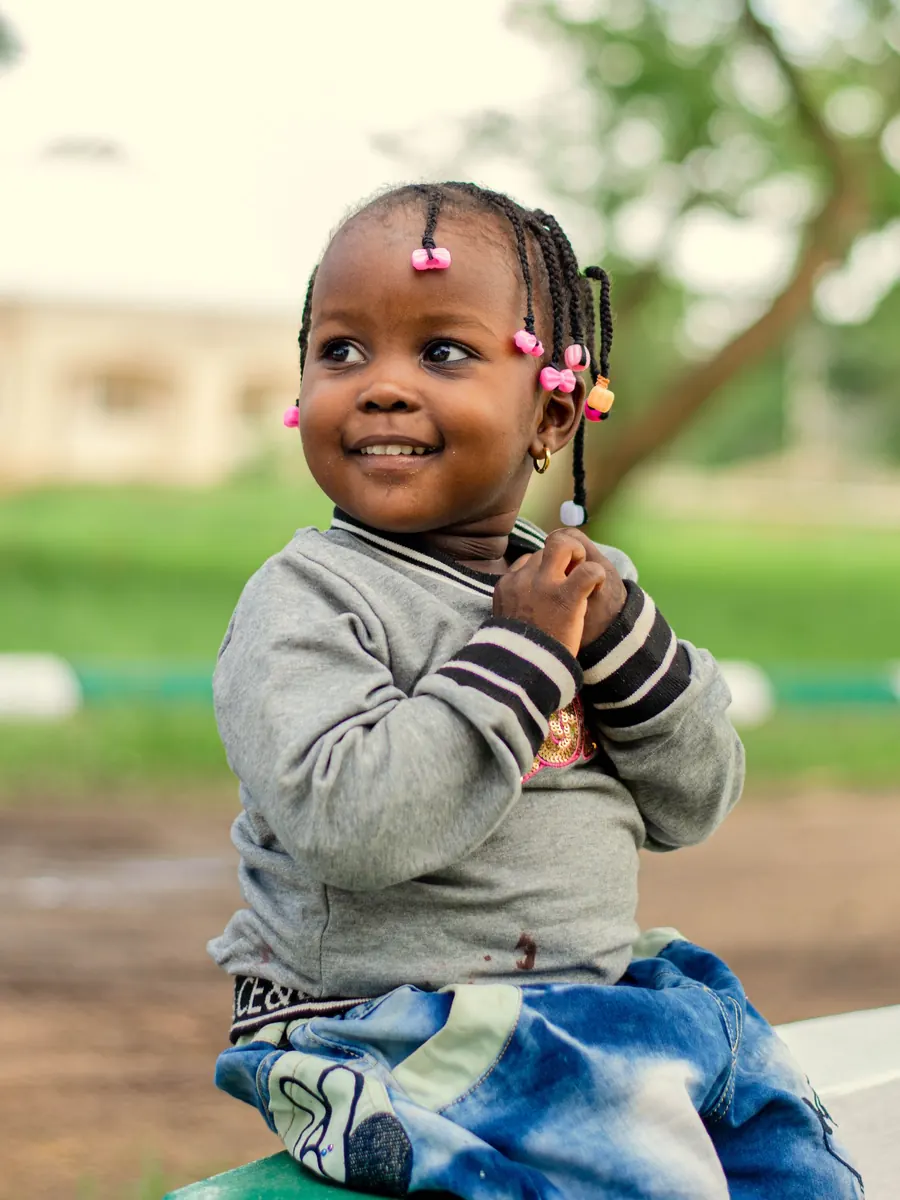
What is a Montessori Toddler Community?
Also known as an Infant Community.
A Montessori Toddler Community is a carefully prepared environment for children who have begun walking and are developing rapidly in movement, language, independence, social awareness and the ability to participate in everyday life.
Age range
Our Toddler Community welcomes children from approximately 14 to 18 months up to 3 years. AMI describes Infant Communities as environments for approximately 14 months to 3 years, with a focus on movement, language and independence within a social context.
Our Toddler Community
Designed around the child who is no longer a baby but is not yet ready for the expectations of a conventional preschool classroom. The environment meets the child at this important stage and gives them time, space and appropriate support to become increasingly capable.

Toddlerhood is a developmental stage, not simply a smaller version of preschool
Between approximately 18 months and 3 years, children are undergoing enormous changes. They are becoming more mobile, developing spoken language, asserting their will, seeking independence and learning how to participate in a social group. Montessori treats these developments as central to education rather than as behaviours to be managed around an academic timetable.
This period as a journey from dependence towards independence, with movement, language, will and participation in everyday life, developing together.
The adult’s role is to prepare the environment and guide the child by helping the child to do things for himself.
The child who has felt a strong love for his surroundings and for all living creatures, who has discovered joy and enthusiasm in work, gives us reason to hope that humanity can develop in a new direction.
Maria Montessori
What makes a Montessori Toddler Community different?
A prepared environment
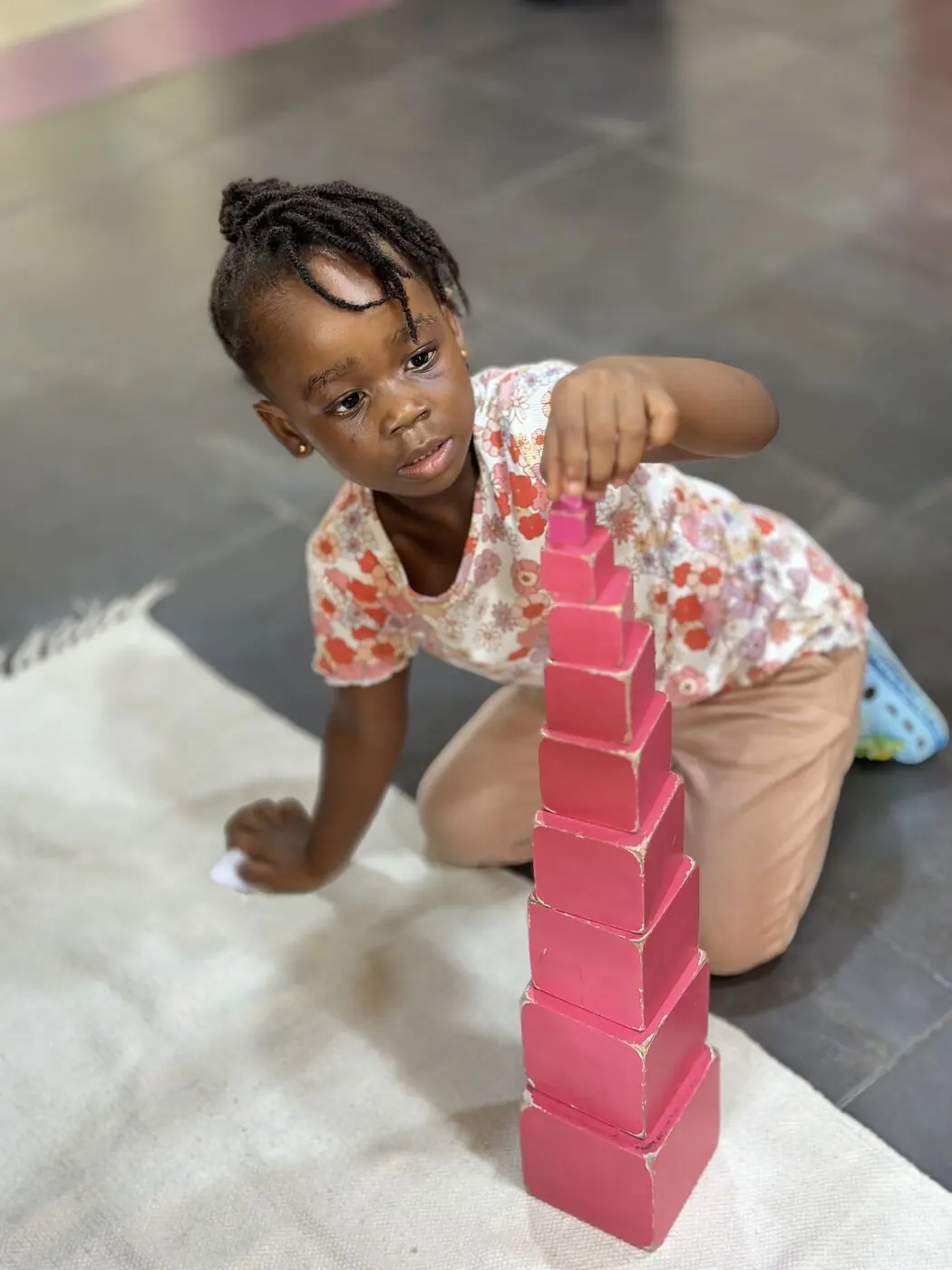
Furniture, shelves, materials, utensils and routines are intentionally designed at the child’s level. The environment invites the child to act, explore and participate.
Real-life experiences
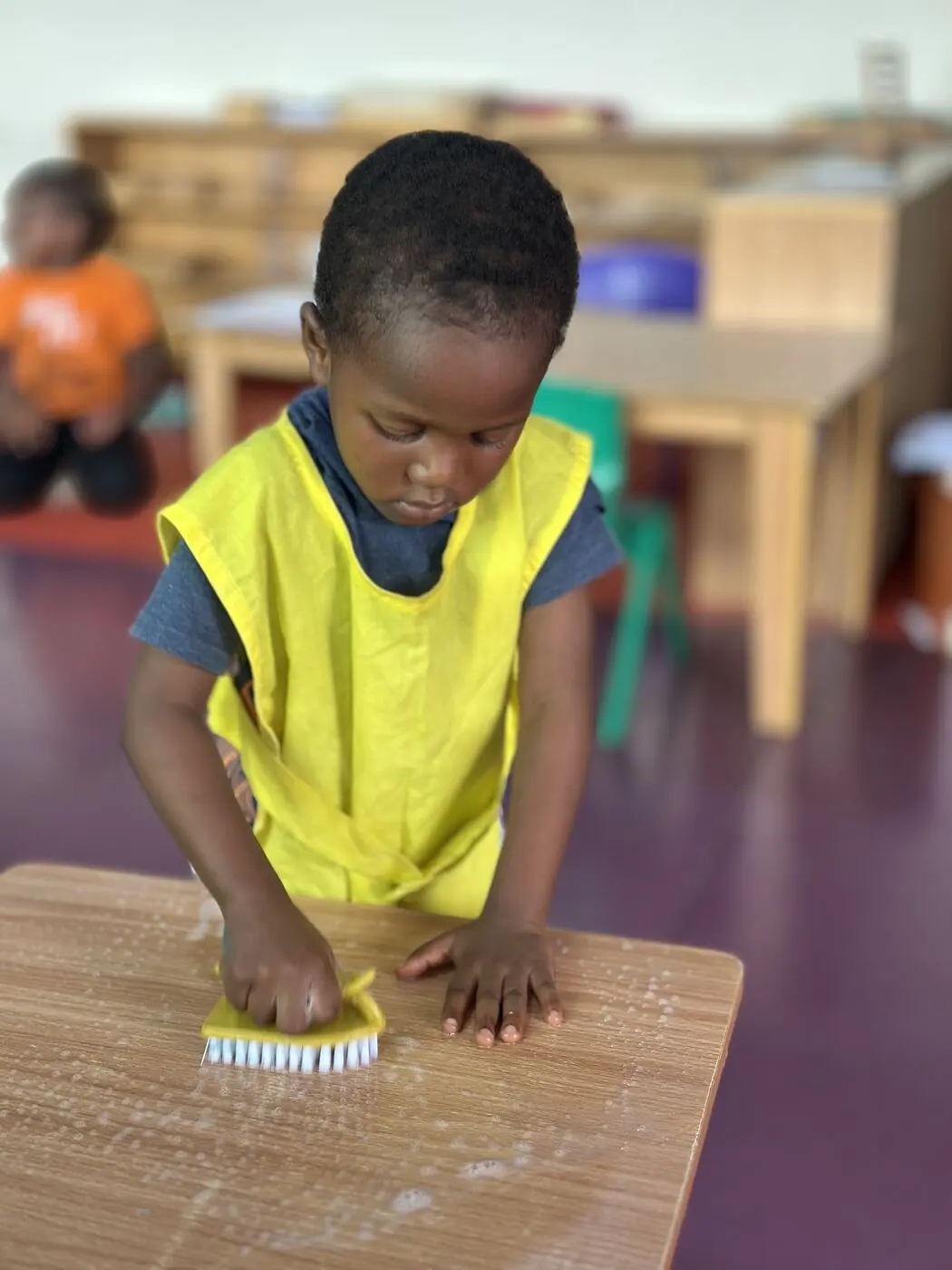
Toddlers have meaningful opportunities to wash, pour, sweep, carry, prepare food, care for plants, tidy their space and look after themselves.
Freedom within clear limits
Children have meaningful choices within a carefully ordered environment. Freedom is paired with boundaries, responsibility and respect.
Movement is protected
Toddlers have opportunities to walk, carry, climb, balance, manipulate objects and coordinate their movements.
Language-rich relationships
Adults speak clearly and respectfully, introduce precise vocabulary, listen to children and provide songs, stories and conversations.
Observation before intervention
The adult observes what the child is trying to accomplish and offers the right level of help, rather than doing everything for the child.
A social community
Children learn to greet, wait, observe, help, care for materials, share space and become aware of others.
A calm rhythm
A predictable rhythm supports concentration, repetition, rest, outdoor experiences, meals and purposeful activity.
Montessori Toddler Community vs. a regular preschool programme
A conventional preschool can provide excellent early education, and programmes differ considerably in quality, philosophy and practice. The comparison below describes the Montessori model rather than suggesting that every conventional preschool operates in the same way.
| Area | Many conventional preschool models | Montessori Toddler Community |
|---|---|---|
| Starting point | Conventional preschoolOften organised around an early-years curriculum and age group | Montessori Toddler CommunityBegins with the developmental needs of the toddler |
| Environment | Conventional preschoolMay be designed for group teaching, play and care | Montessori Toddler CommunityPrepared for movement, independence, exploration and participation |
| Adult’s role | Conventional preschoolTeacher leads activities and supports the group | Montessori Toddler CommunityPrepared adult observes, demonstrates, guides and protects independence |
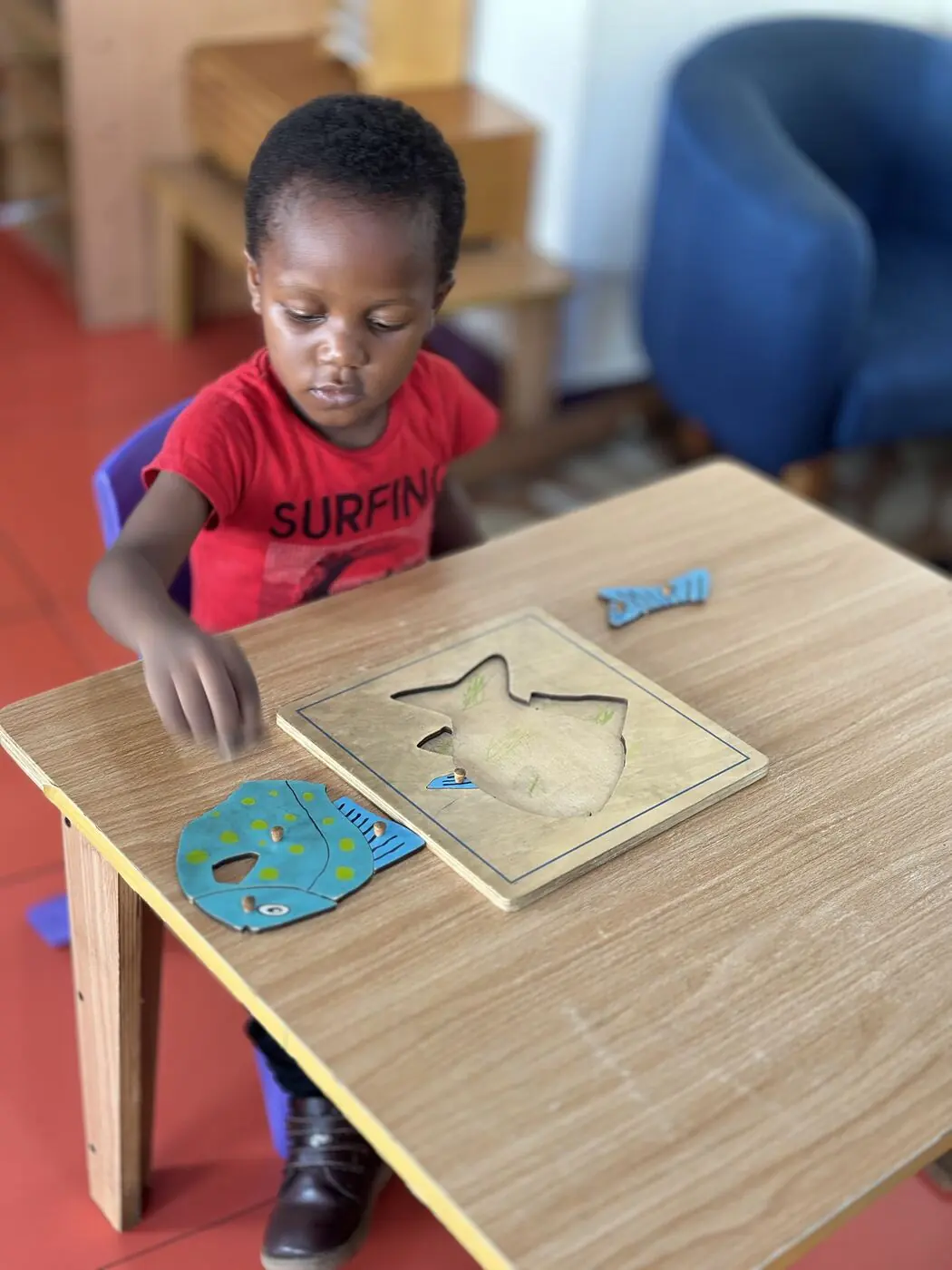
| Learning | Conventional preschoolMay include planned whole-group and teacher-directed tasks | Montessori Toddler CommunityHands-on, purposeful activity with choice, repetition and individual pacing, one on one lessons |
| Practical life | Conventional preschoolMay be included as an activity | Montessori Toddler CommunityA central part of daily life: washing, pouring, dressing, food preparation and cleaning |
| Independence | Conventional preschoolEncouraged as skills emerge | Montessori Toddler CommunityIntentionally supported through environment, routines and adult responses |
| Discipline | Conventional preschoolMay rely more on adult direction and correction | Montessori Toddler CommunityClear limits, respectful guidance, consistency and opportunities for self-control |
| Age grouping | Conventional preschoolOften narrower age bands | Montessori Toddler CommunityUsually a mixed-age community within the 0-3 developmental stage |
| Pace | Conventional preschoolOften follows the programme timetable | Montessori Toddler CommunityRepetition and developmental readiness influence the child’s work |
The benefits for your toddler

Independence
Children experience the satisfaction of doing meaningful things for themselves. Small successes build a genuine sense of capability.
Concentration
Children have time to repeat purposeful activities rather than constantly moving between adult-led activities.
Coordination of movement
Carrying, pouring, climbing, walking, balancing and manipulating objects strengthen coordination.
Language development
A language-rich environment gives children chances to listen, understand, name, communicate, sing, read and converse.
Development of will and self-control
The toddler’s desire to do things independently is recognised as part of development. Appropriate choice, limits and responsibility support self-regulation.
Practical life skills
Children learn genuinely useful skills that support independence and a sense of belonging and contribution.
Social confidence
Toddlers learn to function within a community: greeting, waiting, caring for shared spaces and observing peers.
Respect for the individual child
The adult observes each child’s developmental stage and adjusts support to fit each child's needs.
A strong foundation for Children’s House
Familiarity with Montessori routines, independence, concentration and community life supports the move into the 3-6 environment.
What a typical day may include at Aquila Nidus
- Warm arrival and settling into the community.
- An extended morning work cycle with purposeful individual and small-group activities.
- Practical life: pouring, transferring, washing, dressing, food preparation and caring for the environment.
- Language experiences including songs, stories, conversations and vocabulary work.
- Movement and outdoor experiences.
- Jesus Time.
- Mealtime: our lunch is a community activity where children learn to serve one another and develop dining etiquette through grace and courtesy lessons.
- Nap time for the toddlers
- An afternoon work period with further opportunities for exploration, movement and social connection. The day ends with optional extra curricular activities.


The Montessori adult makes the difference
A Montessori environment is not simply a room filled with Montessori materials. AMI identifies two defining features of Montessori programmes: the prepared adult and the prepared environment. The adult must understand the developmental stage, observe carefully and know when to demonstrate, when to assist and when to step back.
For toddlers especially, the adult’s manner matters. Calmness, consistency, respectful communication and appropriate boundaries help create the emotional security from which independence can grow.
Why the toddler years matter
The period from birth to three lays important foundations for personality, language, movement, social development and independence. Montessori therefore does not see toddler education as simply preparation for “real school”. The toddler is already actively constructing the person they are becoming.
Choosing a Montessori Toddler Community means choosing an environment where care and education are integrated: the child is cared for while also being trusted, guided and supported to participate in life.
Questions to ask when choosing a toddler programme
- Is the environment genuinely prepared for toddlers?
- Are the adults trained specifically to understand children from birth to three?
- How much freedom of movement does the child have?
- How are practical life and independence supported throughout the day?
- How does the adult respond when a toddler says “No” or insists on doing something independently?
- How much uninterrupted time do children have for purposeful activity?
- How are children observed, and how is information shared with parents?
- How are routines such as meals, toileting, rest and transitions handled?
- How are social skills and boundaries taught?
- Does the environment feel calm, orderly, respectful and purposeful when you visit?
Aquila Nidus: supporting the whole child
Our Toddler Community is designed to give young children the time and environment they need to grow into capable, confident and connected members of their community. We do not rush childhood. We prepare the environment, observe the child, offer appropriate challenge and provide the respectful support needed for each child’s journey.
“Help me to do it myself”
The spirit of Montessori independence
Meet our Toddler educators
The guides who care for your child from eighteen months to three years.

Wilson Elizabeth
Toddler Guide

Oladehinbo Oluwatoyin
Toddler Guide

Esther Duke
Toddler Assistant

Isreal Gift Ukeme
Toddler Assistant
Visit our prepared environment
Tours run on Tuesdays and Thursdays in small, unhurried sessions so your questions get real answers.
Or speak with admissions directly on +234 708 186 4078
What parents say about Aquila Nidus Montessori
“Since joining Aquila Nidus Montessori School in May 2026, our daughter has shown remarkable improvements in her speech, manners, and participation in daily activities. We are especially grateful for her teacher’s attentiveness and the early professional support that has contributed to her progress.
We love how the school nurtures each child’s individual learning needs while upholding Christian values. We wholeheartedly recommend Aquila Nidus to parents seeking a strong foundation for their children.”
Ayooluwa Samuel-Adeoye
“Since joining Aquila Nidus Montessori School, our daughter has adjusted wonderfully to her new environment. She no longer cries at drop-off, is now fully potty trained, and has made noticeable progress in her speech and confidence.
We are happy to see her growing, becoming more independent, and settling in so well.”
Bewaji Odetoyin
Toddler Parent
“I’m a Montessori director myself, so I understand and appreciate authentic Montessori when I see one. That’s the confidence I had putting her here. She has grown way beyond what her average age would know, in a very safe and child-friendly environment. I’m not afraid of her future, because I know she has a very good foundation.”
Oluwaseun
Tomisin’s mom
“Aquila does the proper Montessori. That’s why we love it. They use the actual materials, they follow the actual curriculum. It’s not blended or traditional in any way, it’s purely Montessori. And my kids love to come here. They’re always happy to come to school.”
Ibukun
Ire and Desire’s mom
“I’ve recommended Aquila to so many parents who eventually enrolled their children. My son finished here and Janelle too, and it has impacted their lives creatively, intellectually, socially, mentally, in so many ways. I’ve watched Janelle grow and there’s been a big difference, academically and otherwise. I would recommend this school one hundred percent to any parent looking for a real Montessori school.”
Mrs Onyenwe
Janelle’s mom
“I had gone around looking at schools for my kids, but when I got to Aquila Nidus I was amazed at the level of discipline I found. They are intentional about the children. Teiora started at the crèche and I was impressed right from there, at the way they took care of the children. Today she is graduating. I’m thankful to the school, and I pray my son who is still here goes through the same journey.”
Mrs Uzomba
Teiora’s mother
“It has been a wonderful journey since Bukunmi joined Aquila Nidus. He loves his friends, he has improved in his studies, and he has become more confident than before. As a parent I have really enjoyed our experience here, and I’m grateful to have come across the school.”
Sunsola
Bukunmi’s mother
“What I will remember most is the warmth. Aquila is a small community, but it’s home. All the children are our children. There’s a true spirit of community among the children and even among the parents. We see ourselves as one big family.”
Mrs Olaniyi
Tofunmi’s mother